https://share.brewfather.app/a34U7s391iKhKw




https://share.brewfather.app/a34U7s391iKhKw
https://share.brewfather.app/nGxYWF6MiFLKVg

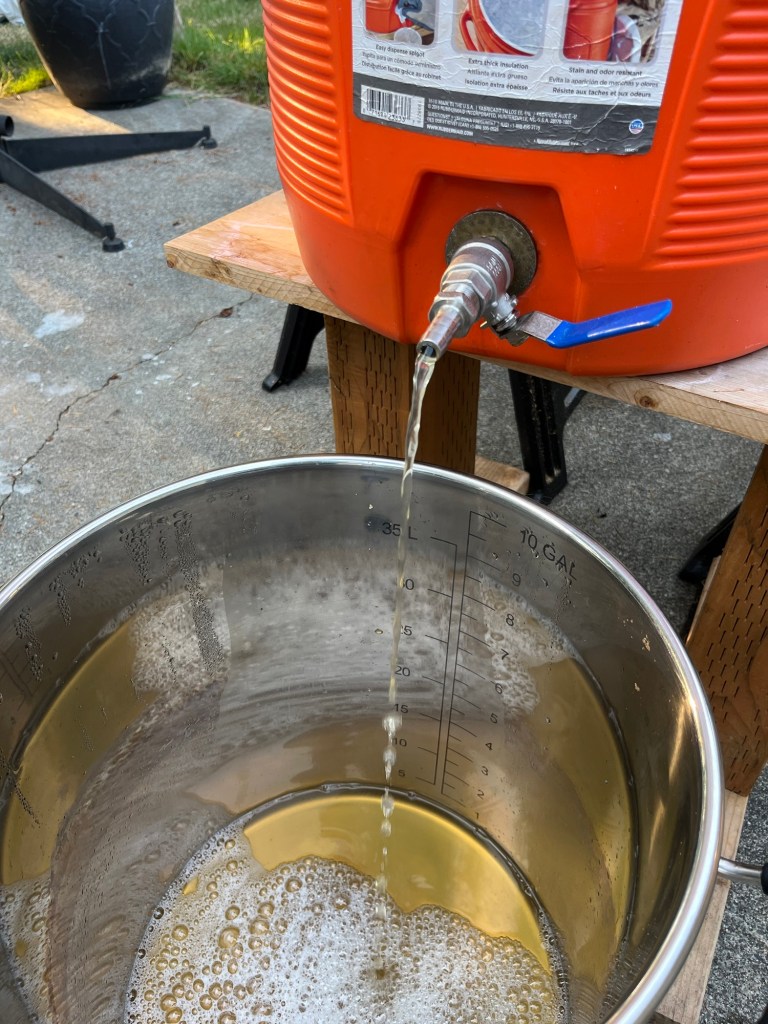


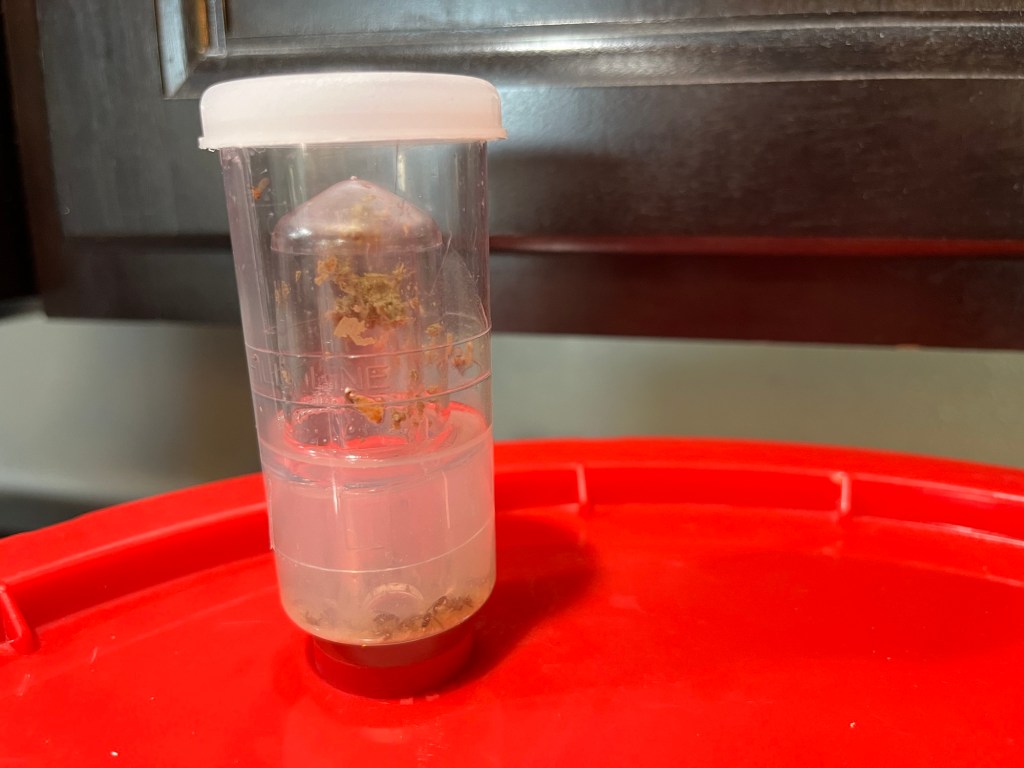

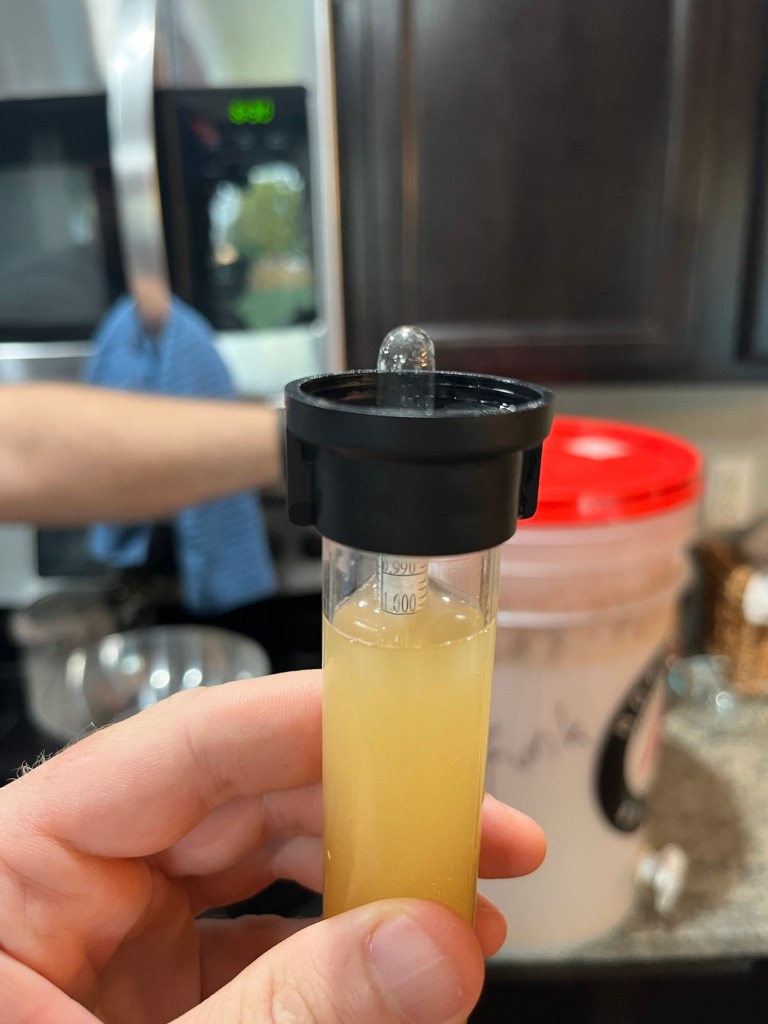
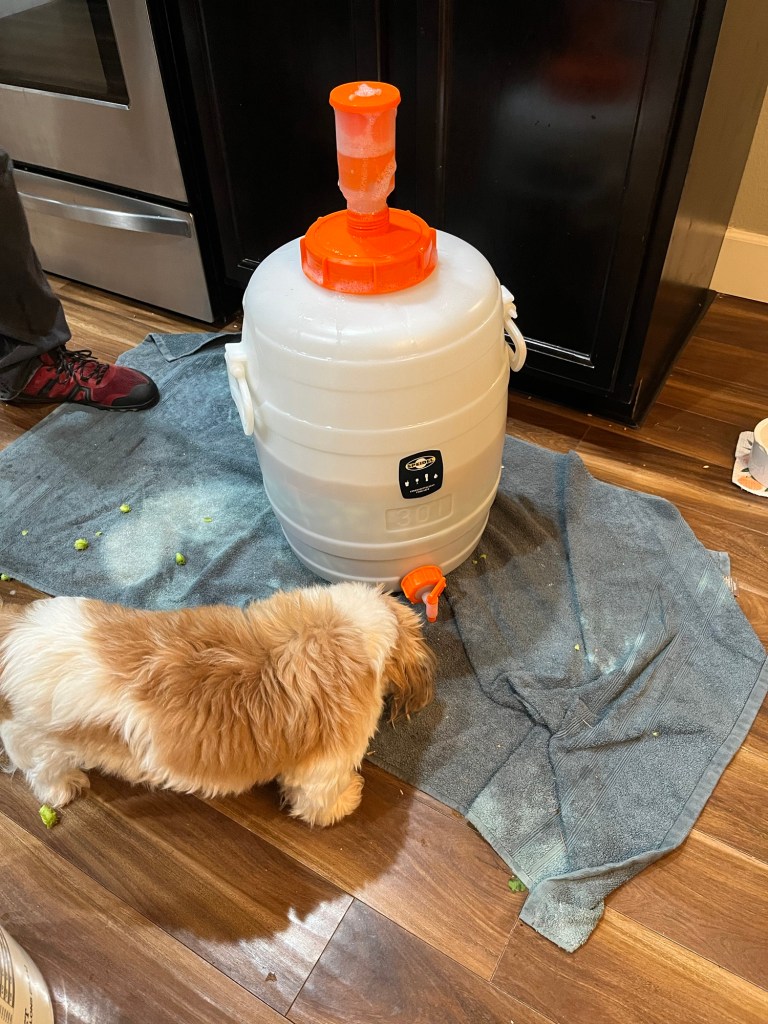
We weren’t sure the saison had fermented completely. It got down to 1.000. So, I think it fermented completely.
https://share.brewfather.app/2mPFwJMfgUFNv3
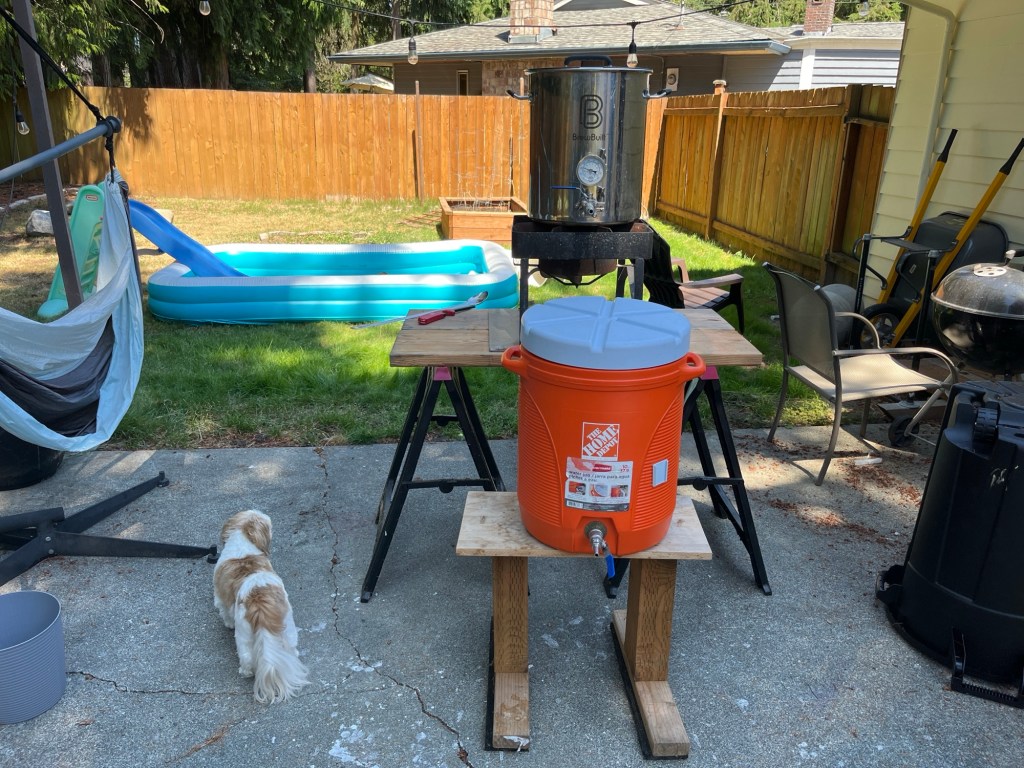
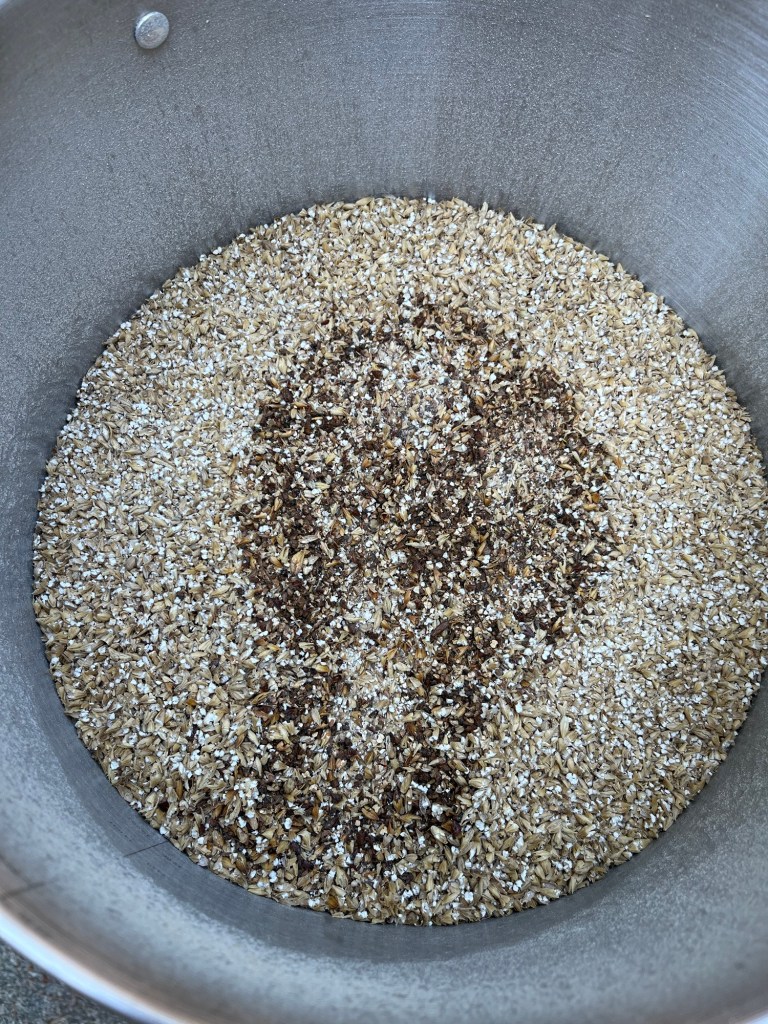
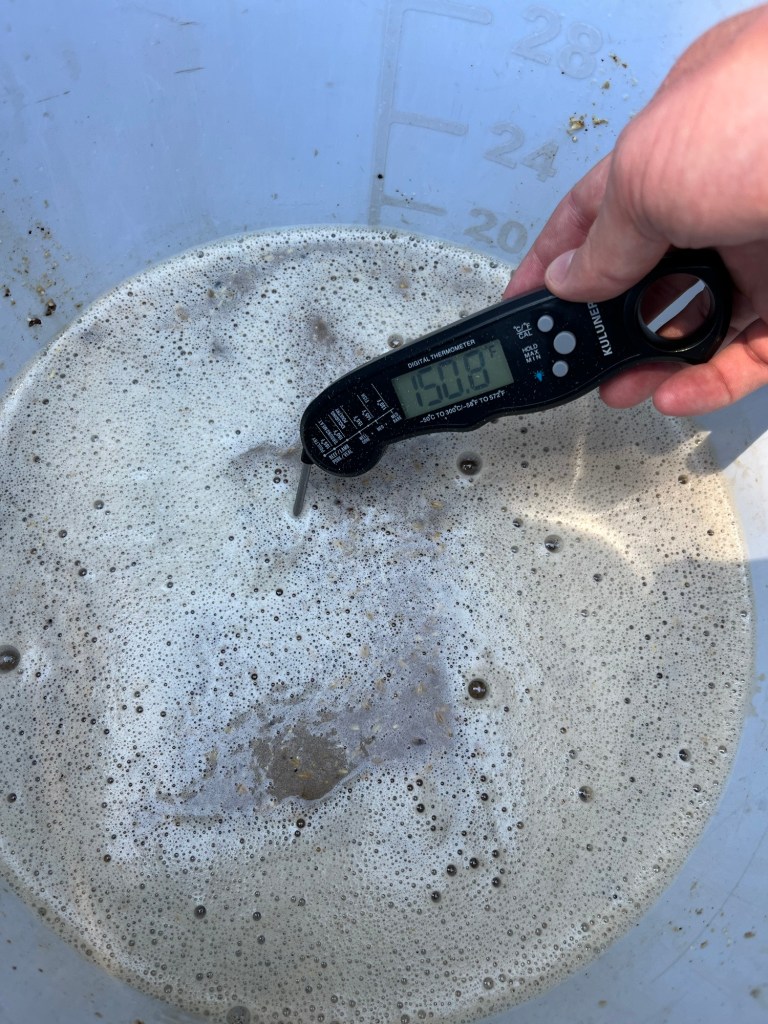


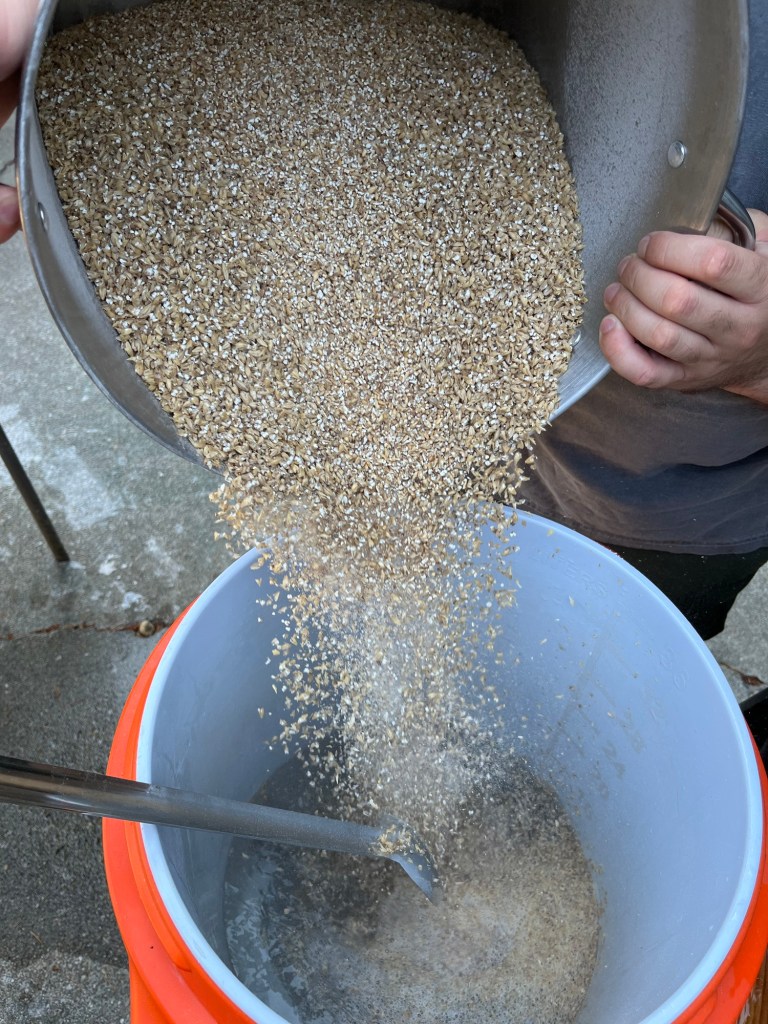
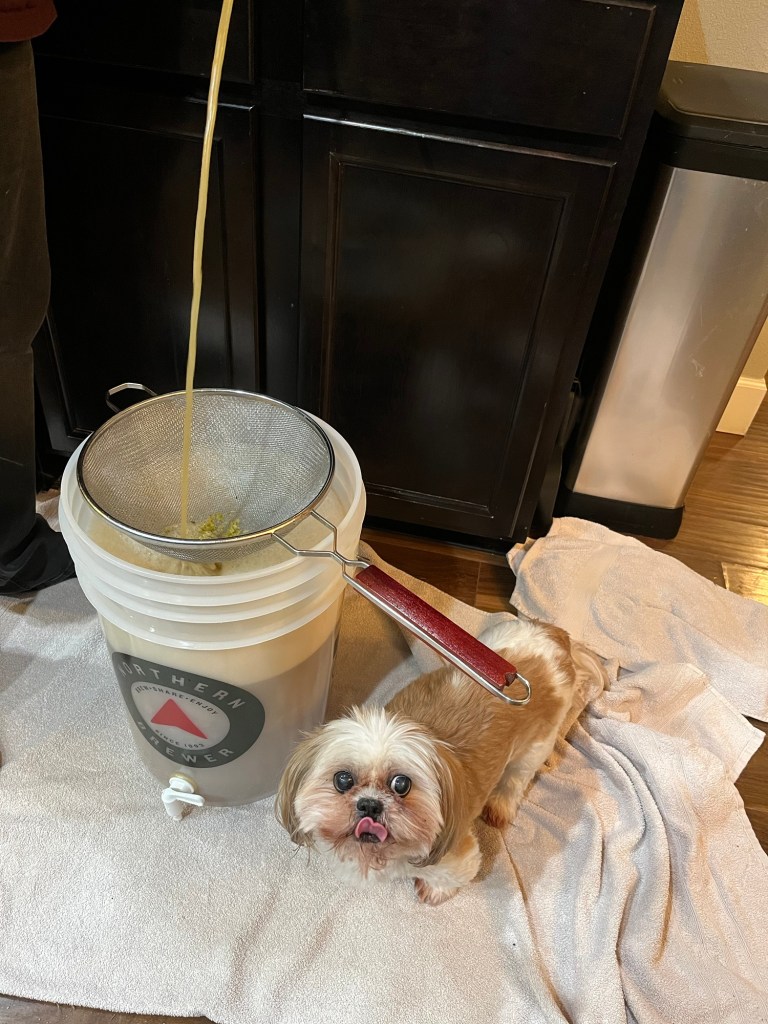
Apparently did not document this brew day very much, so there’s a random picture of the mash tun with Jack.

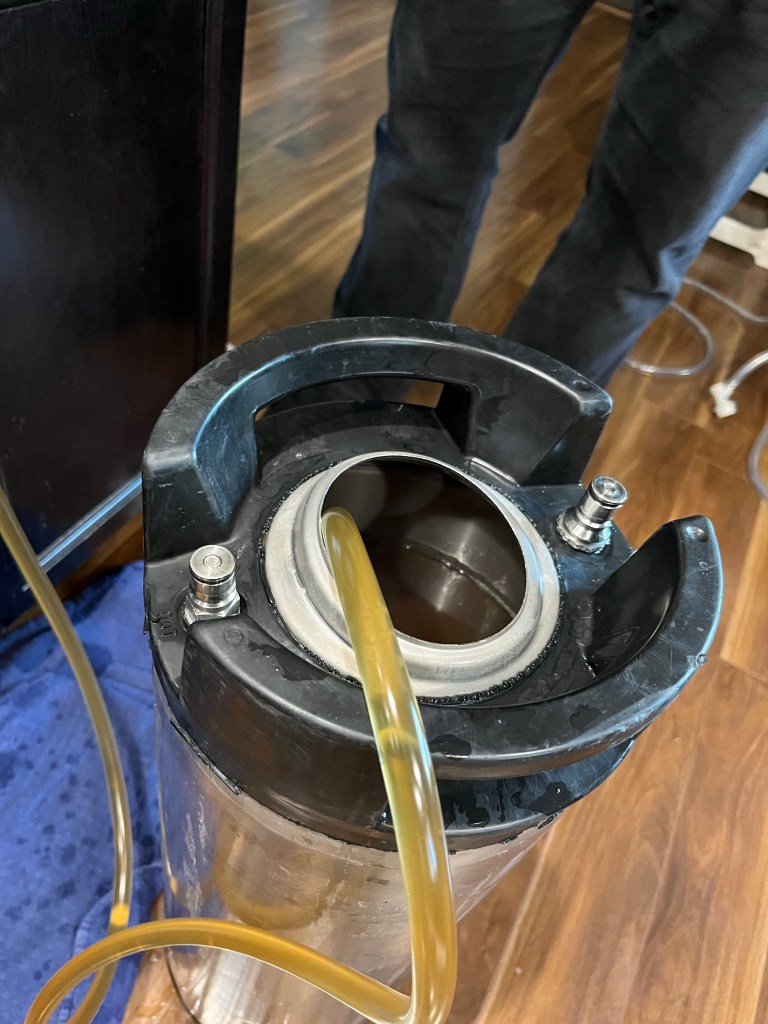
Gravity during Kegging was a bit high. Maybe that’s because the beer is at 55°, but probably still too high. Hopefully it will finish fermenting in the keg.
The final brew before the fest. Sticking with our usual grain recipe for hazies. We ran out of our domestic two row, so we’re using the Weyerman Bohemian Pilsner for the base.
https://share.brewfather.app/xvUAc4UtHRy5a7

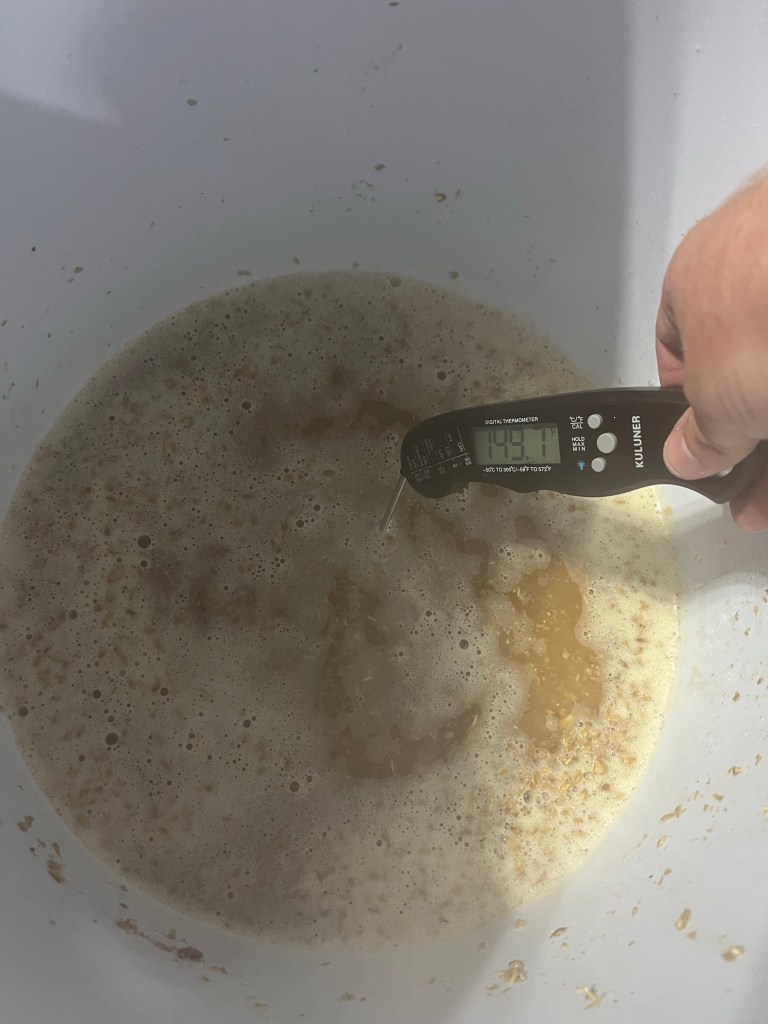
Got the mash up to 149° after a false start at 145°. We heated the strike water to boiling and added about a quart to bring the mash up to 149°.
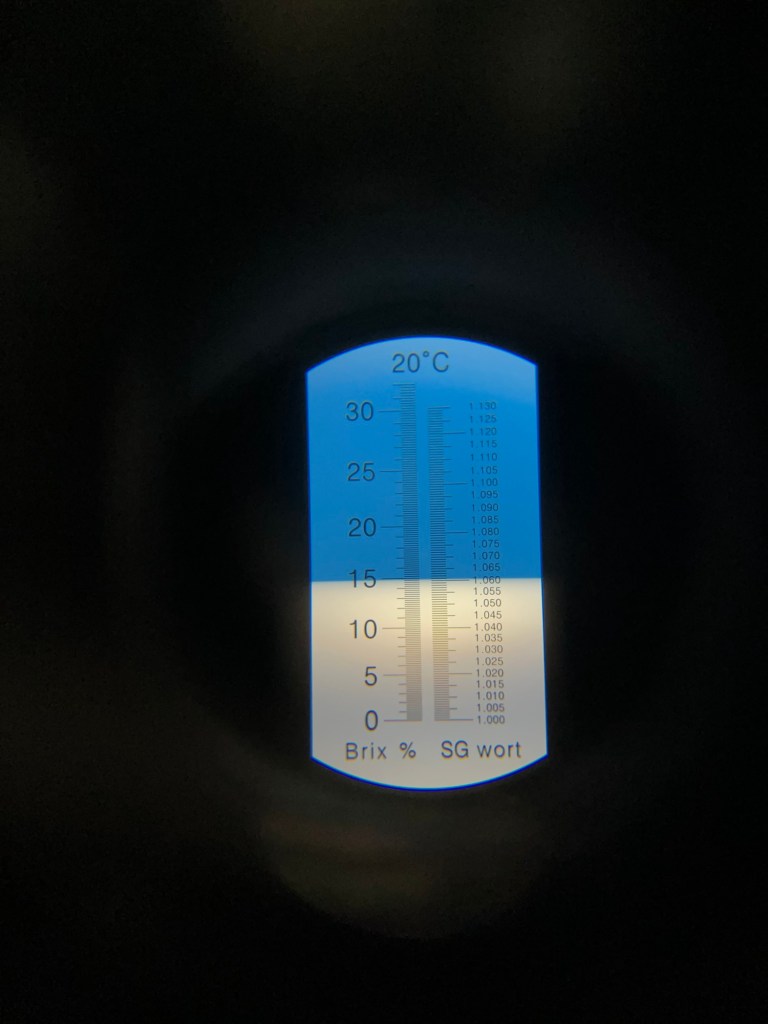
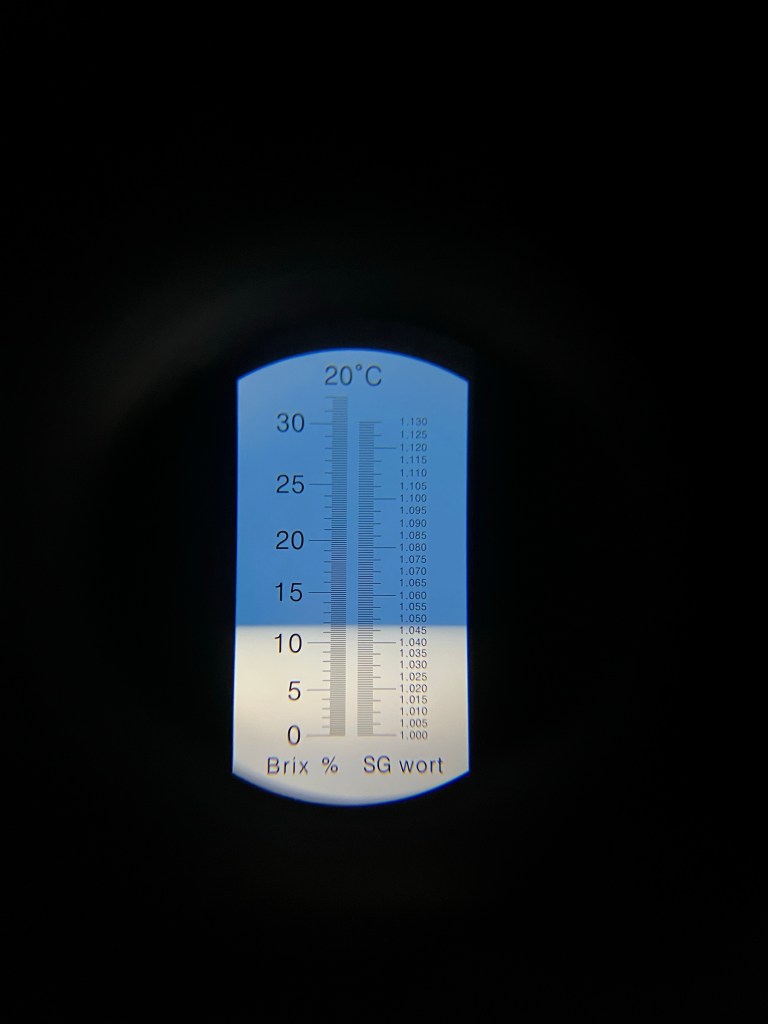
After a 60 minute rest, the gravity was 1.056.
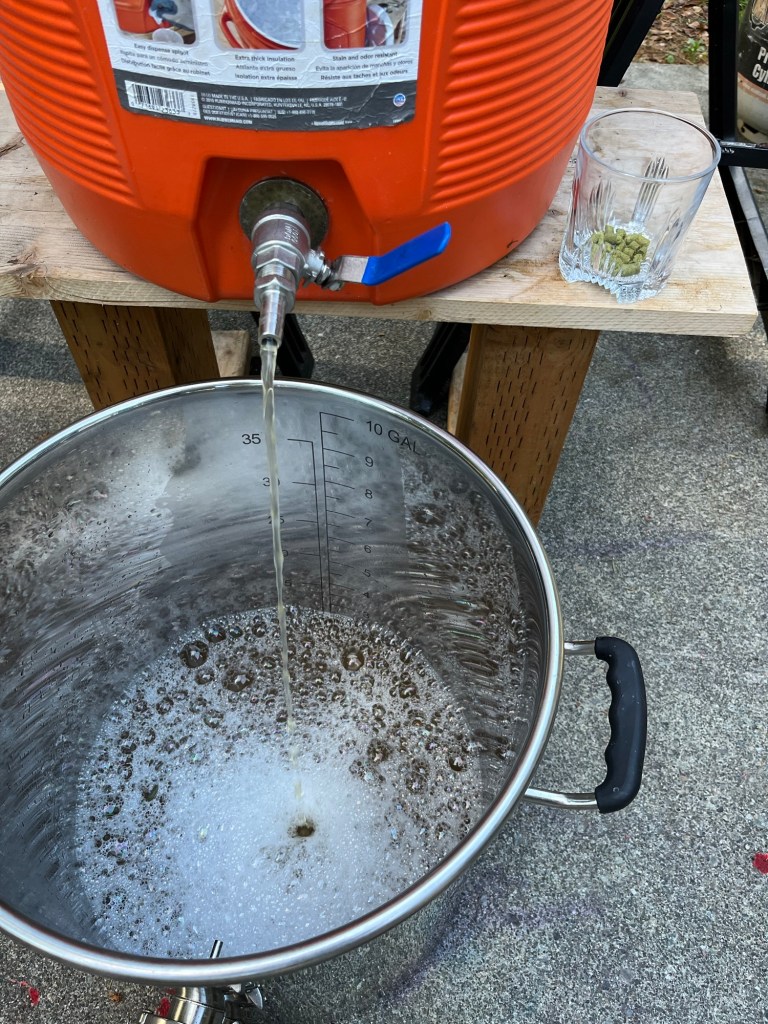


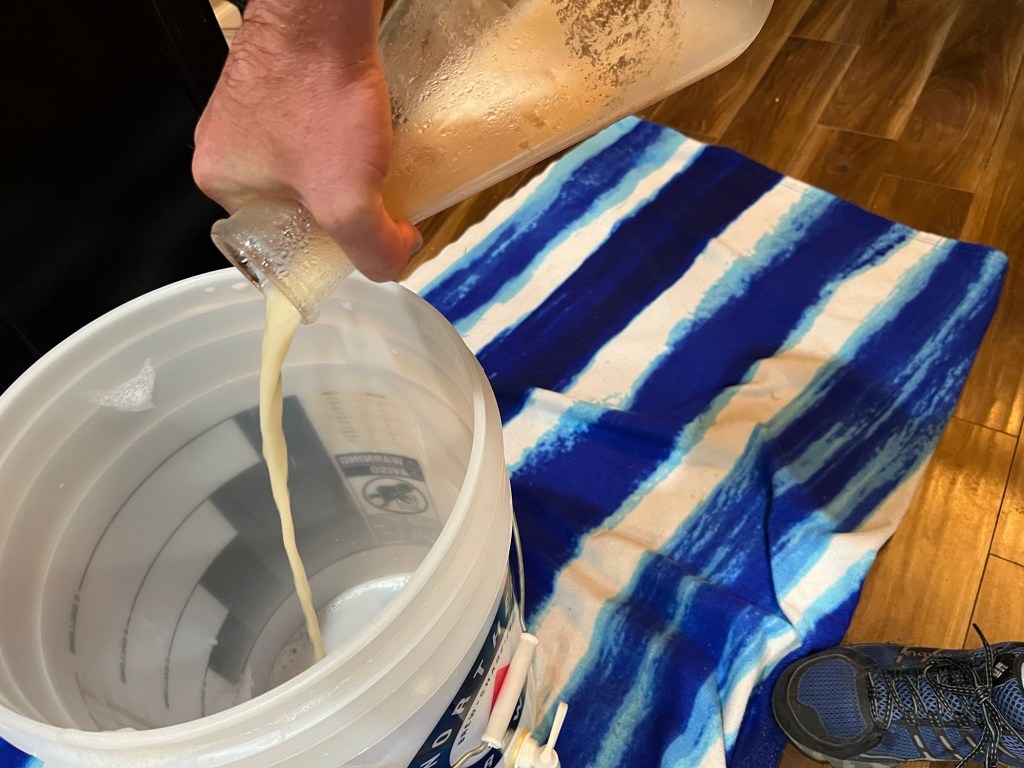


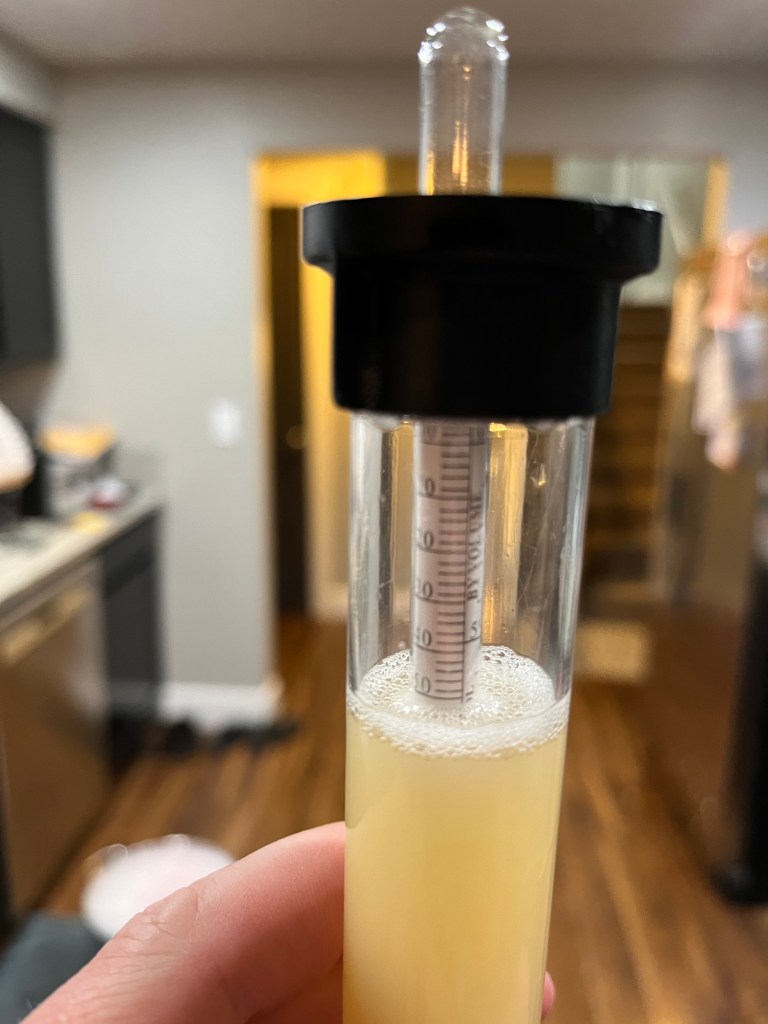
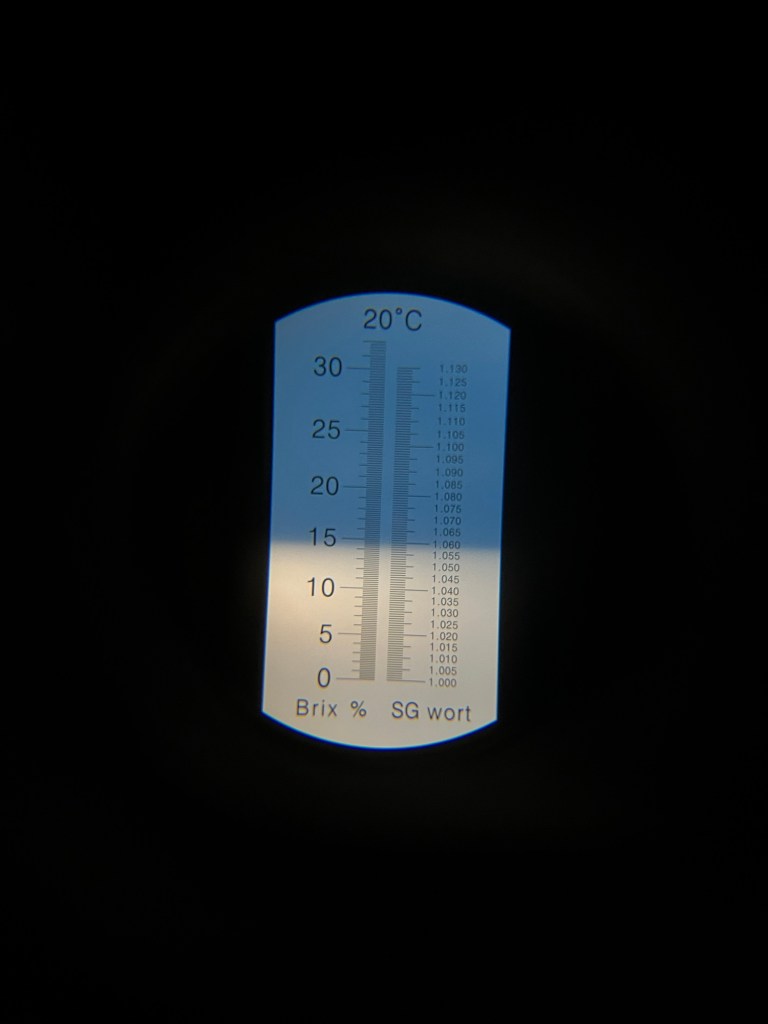
Added a bunch of hops after three days fermenting. Kegged after a week of fermenting. Gravity was only 1.020, and we’re aiming for 1.012, so hopefully it will finish up in the keg.
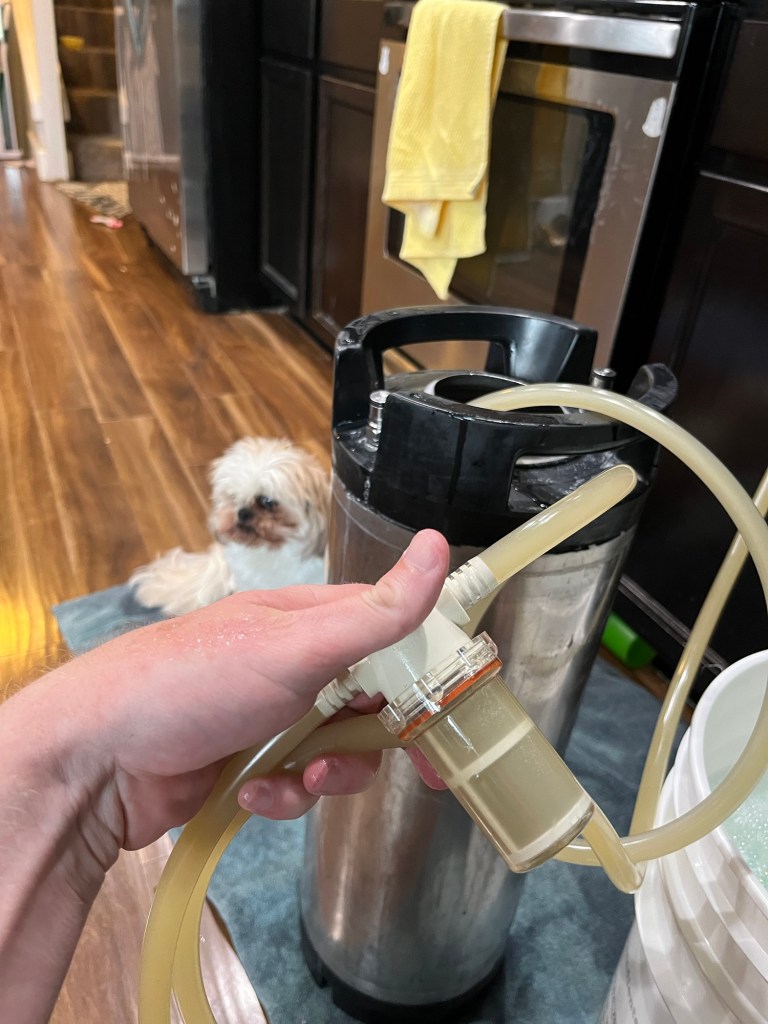

Going with an American brown ale as we head in to summer weather. The fermentation fridge is currently full of lagers, so we’ve got to do an ale this time.
https://share.brewfather.app/yXWtiSX5Pv5npf

Notes from DGB don’t quite line up with the style guidelines given in Brewfather for bitterness, so I went with 27 IBUs to be kind of in the middle. Brown ales shouldn’t be too bitter, but the crystal should add some sweetness.
Called an audible and did a 50-50 mix of C-40 and C-80. Brough the SRM up a little bit, but not much.
Also we ran out of regular pale 2-row and had to top up the recipe with Maris Otter. So, we’ll call this one an English American brown ale.


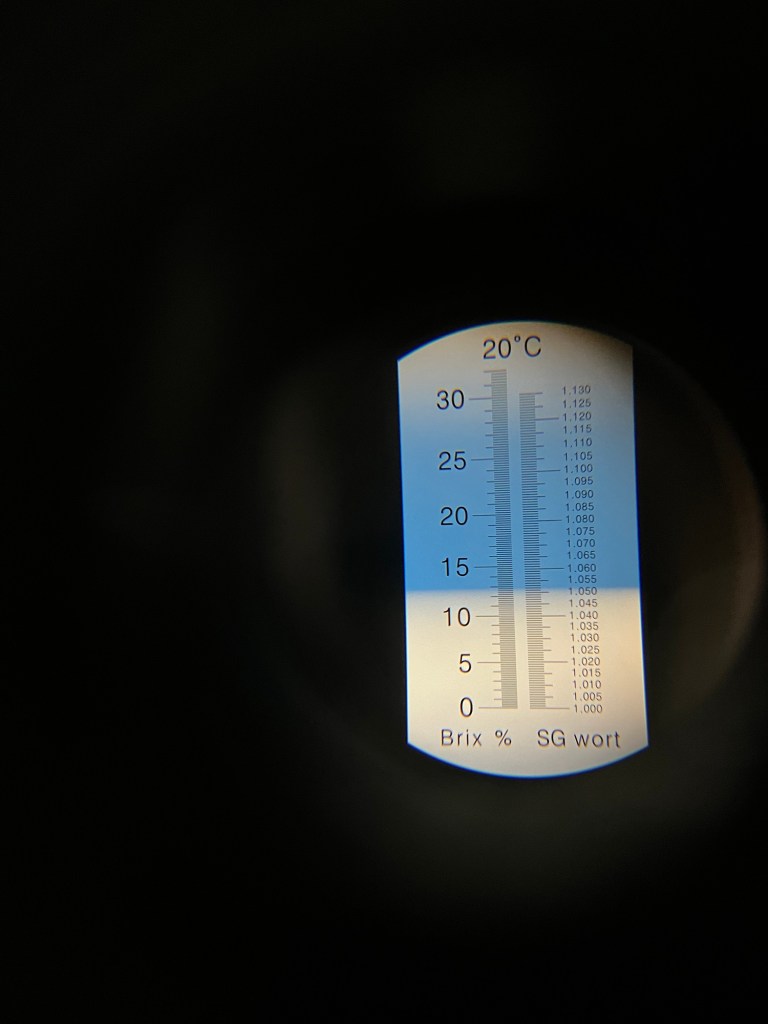

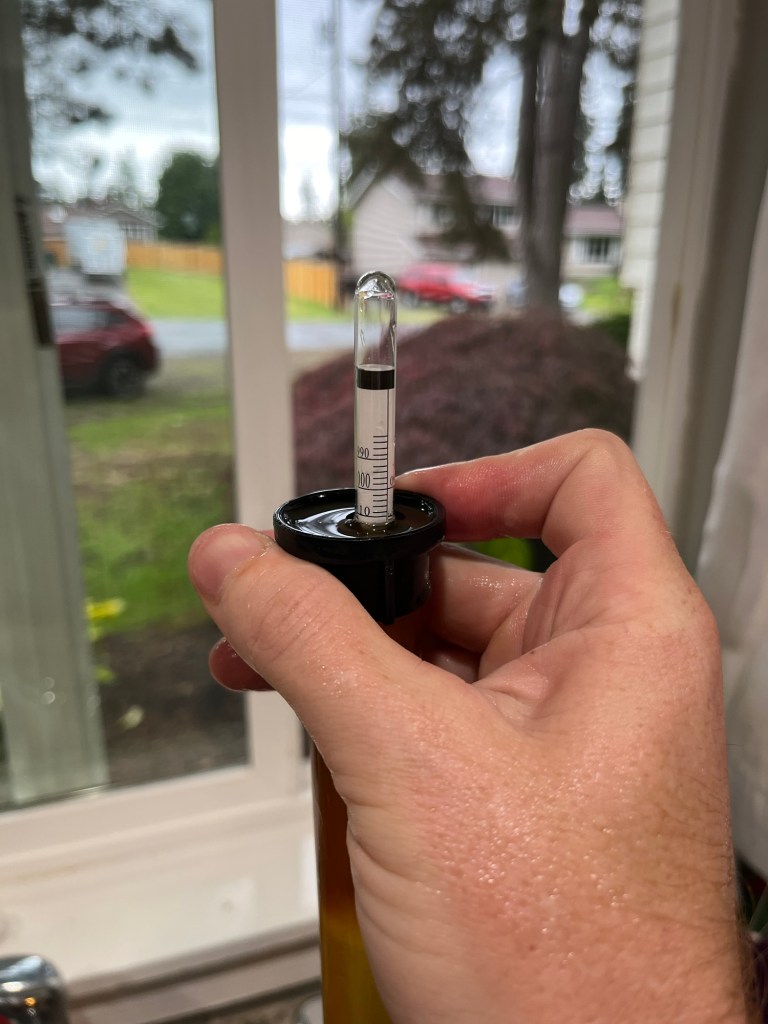
Doing a Coors corn lager today. No water chemistry, just using tap water as fresh as the Cascades.
https://share.brewfather.app/6PtKYSR0H6XJxD


Doesn’t take a lot of high AA hops to hit the target IBUs.
We just did a single hop addition at 60 minutes. I saw some recipes calling for small flavor and aroma additions, but it seems like the style doesn’t call for anything too complicated.

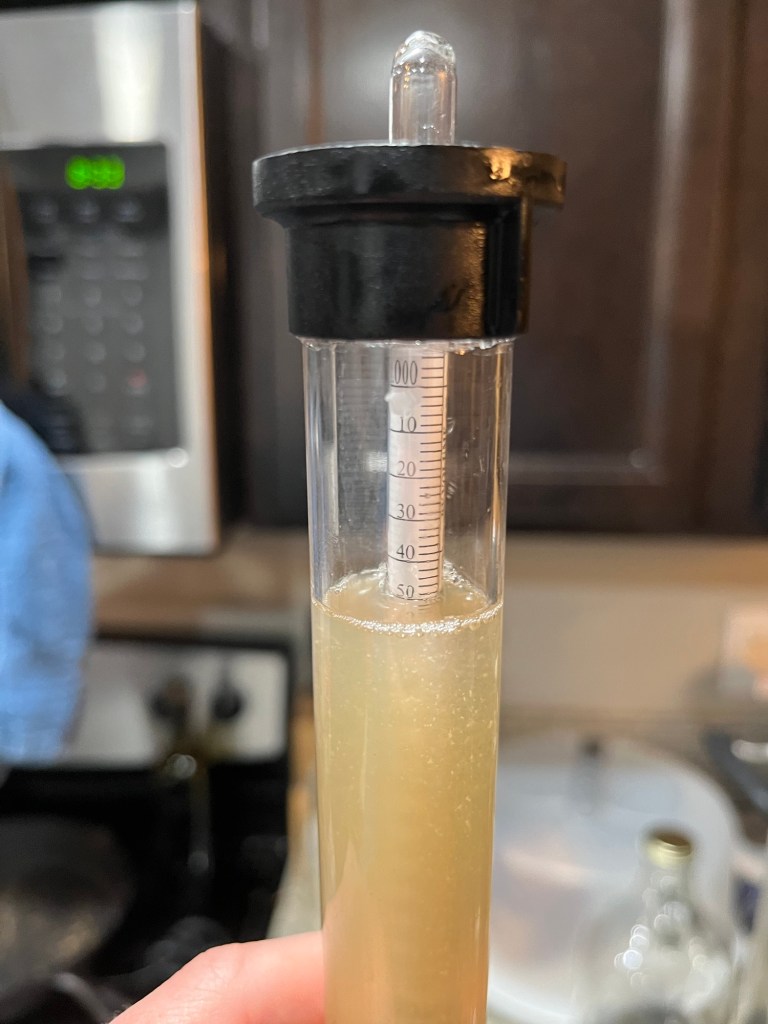


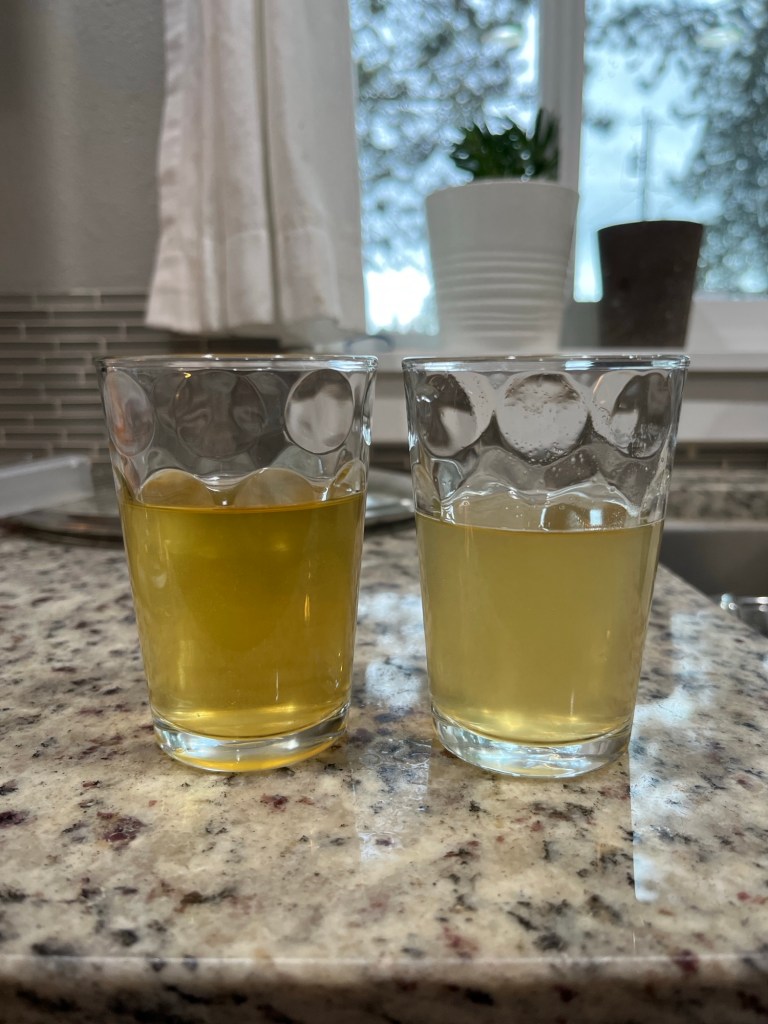
https://share.brewfather.app/FxCUKdmSxynW6P
Brew day is getting started very early this time. I picked up a stir plate at the brew shop yesterday because I wanted to make yeast starters. I’m not sure it’s necessary for this beer, but here we are.
I checked online for suggestions on making a starter, and I got confused by all the talk about yeast cells and parts per billion and such.
I added 2 oz (57g) dry malt extract to a 2l Erlenmeyer flask and then added a liter of tap water. I gave it a few swirls to mix it up, but there were still clumps. Covered the mouth of the flask with aluminum foil, put it on a gas stove, and brought it to a boil. Foam started to build up as it began to boil and I turned off the gas. Foam went up to the top of the flask but somehow didn’t overflow. I let it boil for 15 minutes, then I let it cool down on the stove for a bit before transferring the flask to the fridge.
Once the wort was cool, I pitched the yeast along with the contents of the smack pack. Added the stir bar and placed a foam stopper in the mouth, both rinsed with star san. Topped it off with the foil, and set it on the stir plate. The two inch stir bar I first tried seemed to not line up well with the magnet in the stir plate, and it didn’t spin well or at all. I checked that the stir bar was centered in the flask when I put it on the plate, but not much success. I’ll have to test it out with plain water so I can see what’s going on. The wort with yeast was too murky to see. I ended up using the 1 inch stir bar that came with the plate, and that seems to work fine, although it does rattle around a bit at higher speeds.
Coming back the morning after, the liquid seems to be lighter in color and more opaque, so I assume the yeast are doing their thing. I’m going to run the plate all day today and tomorrow, so it will be a full 48 hours. Then I’ll put the flask in the fridge to let the yeast fall out and I can pour off the wort or keep it.

Matt made 9.5 gallons of reverse osmosis water, so we’re starting from a clean slate. I saw a forum post that suggested adding 0.7 grams of calcium chloride per gallon, so I rounded up and added 7 grams to the water.
I read about a decoction mash. It sounded like the traditional way to add some color and flavor to the beer, but it also seemed very involved. After mashing in, we pulled out maybe a quart of grain and boiled it for a while, 15 minutes or so. After it started to get pretty dry, we added in a few more cups of wort and continued boiling. We added this boiled mix back into the mash tun.


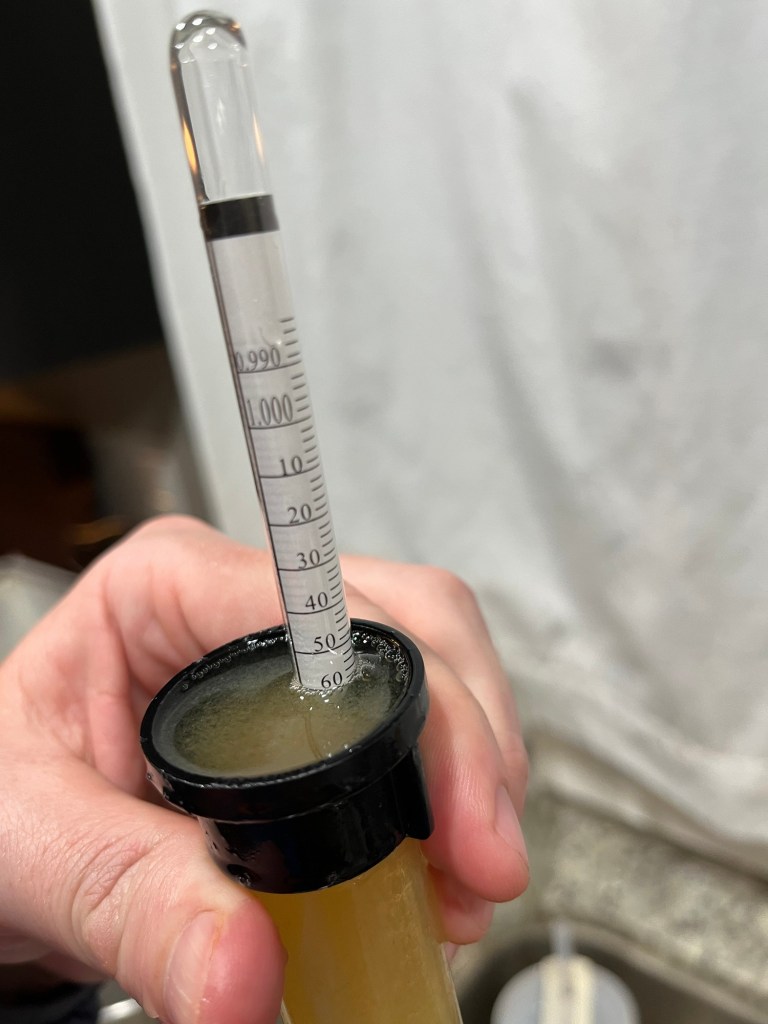


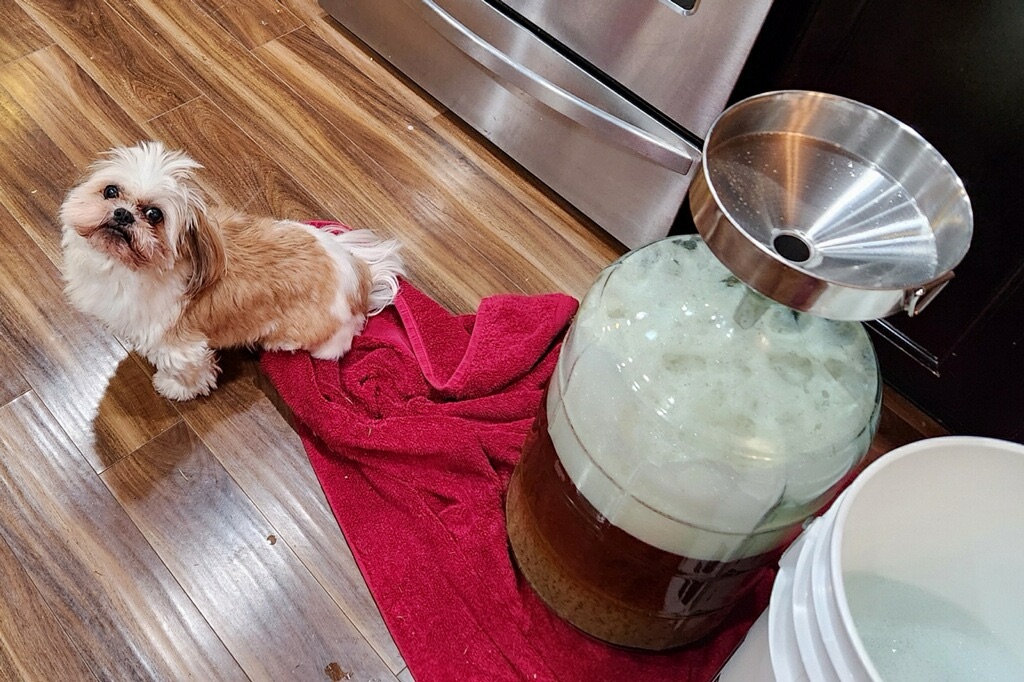

At some point we dropped the fermentation fridge down to 33° for a cold crash. We left out at that temp for at least two weeks.

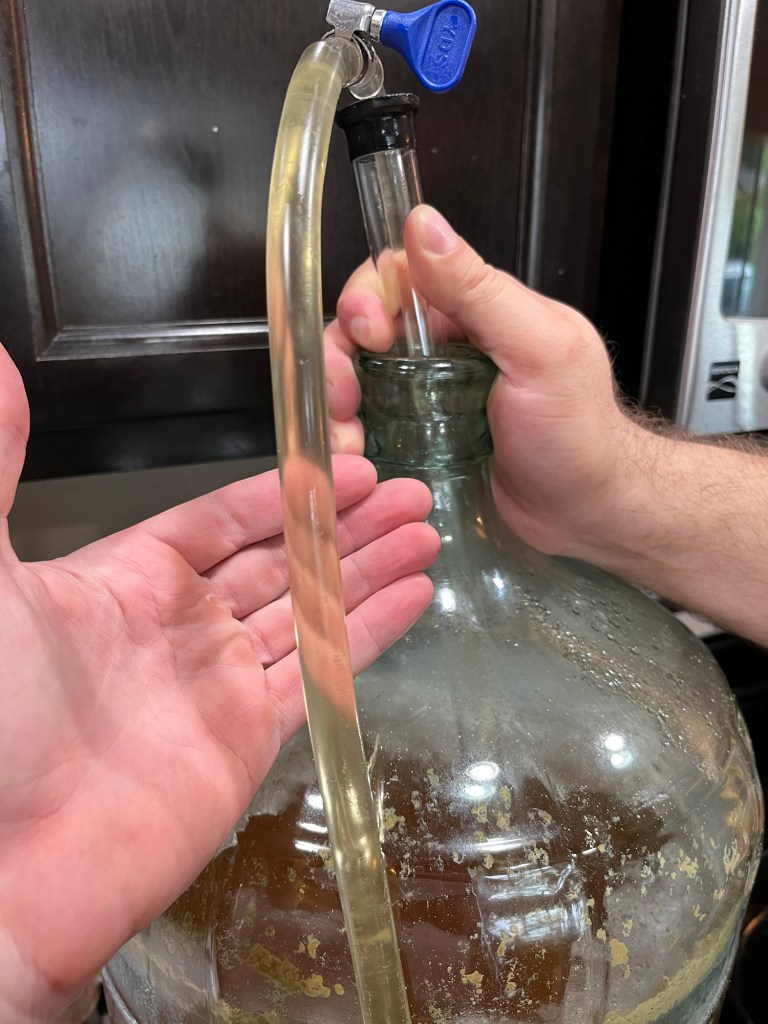

Festbier brew day in prep for Weivenfest!
https://share.brewfather.app/Hxg89Dt97tz0Ov
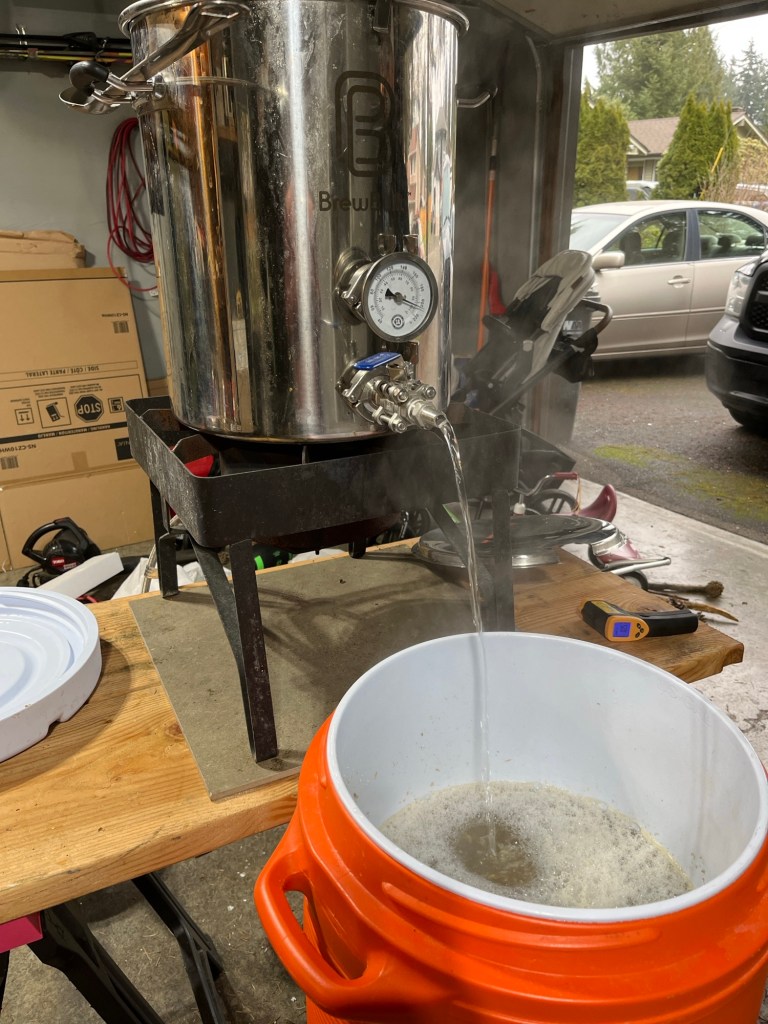
Aiming for a single mash rest at149°. Added 4 gallons of 164° water and it normalized to 147.5° in the mash tun with grain. Didn’t try to bring up the temp, 147° is close enough. After 1 hour, mash temp was 143°, so it will be interesting to see how that temperature deficit affects the final beer.
Added 3 extra gallons boiling water to the mash.

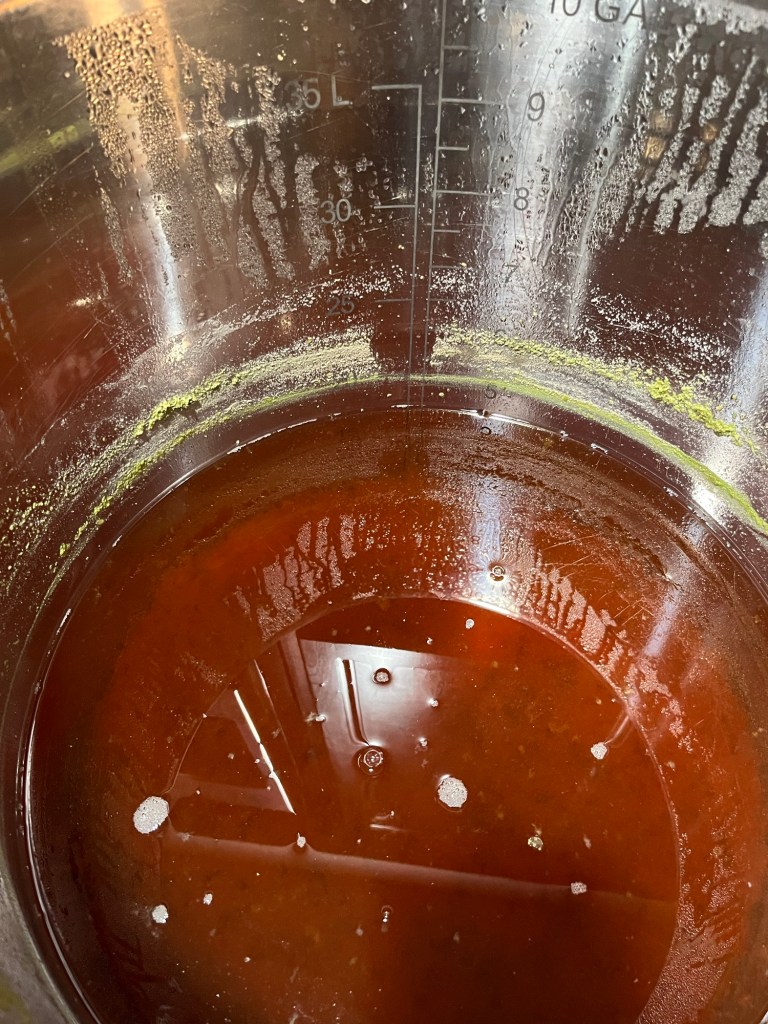
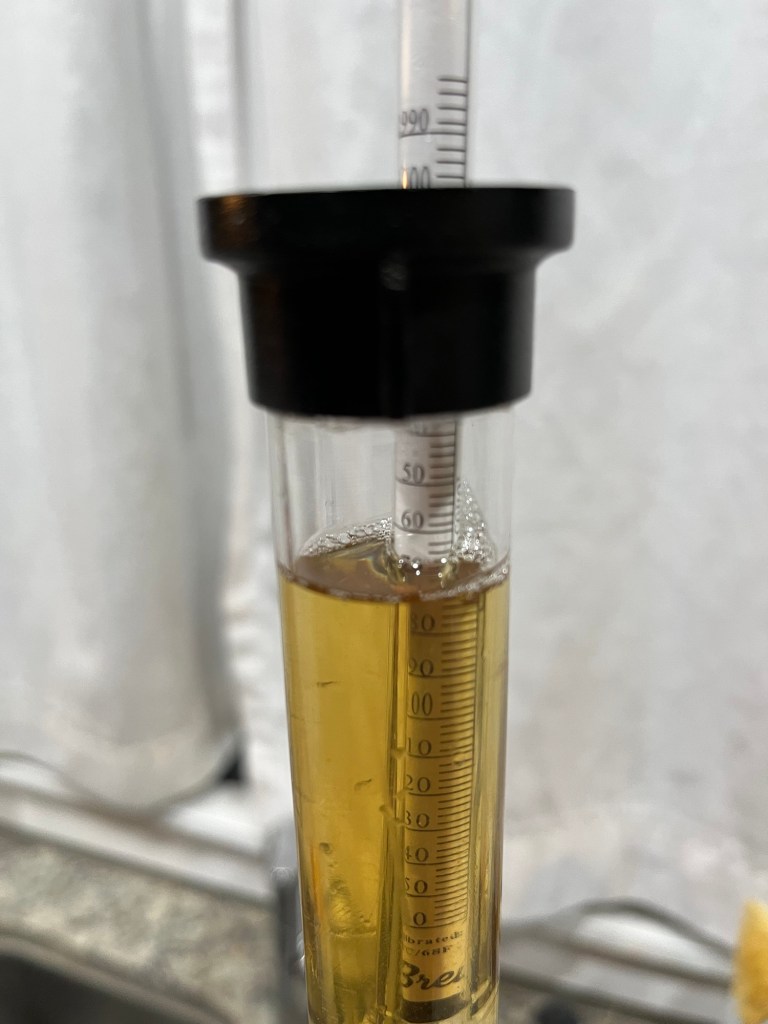

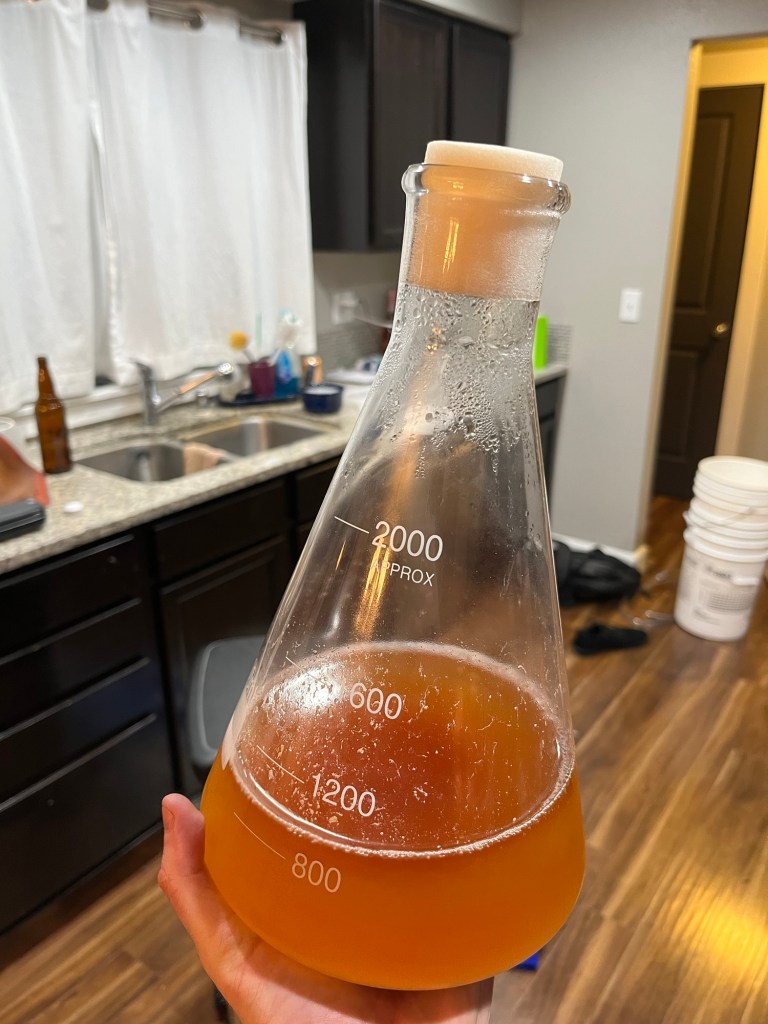


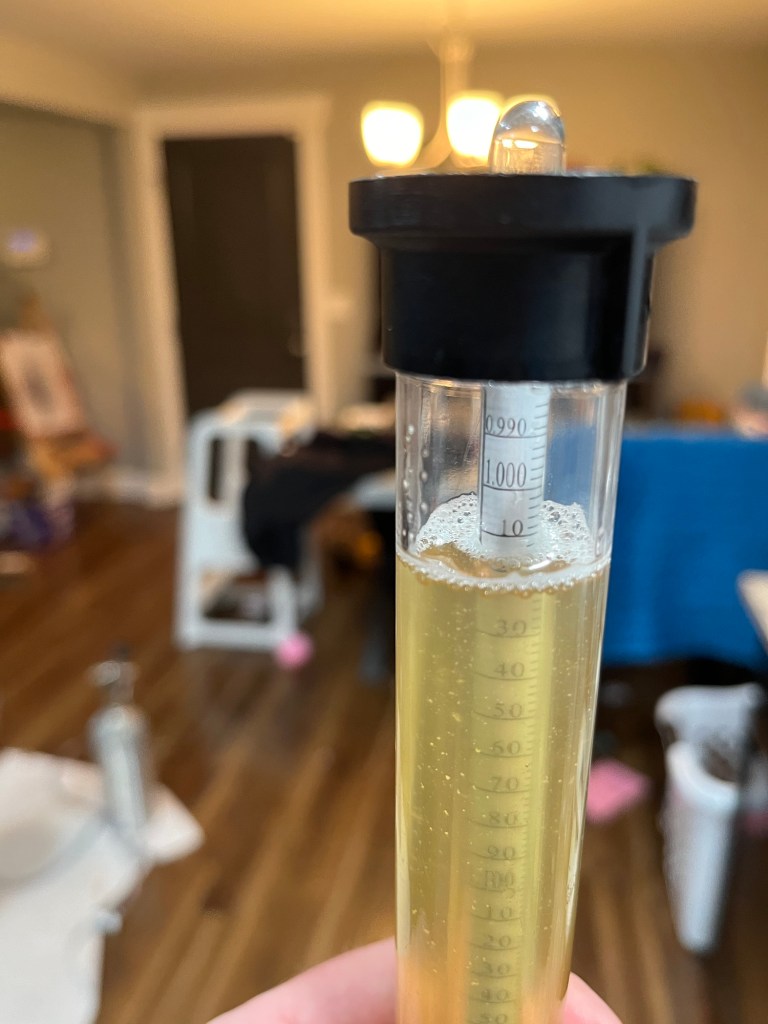
May 11th, had to try the festbier. Matt tried it the weekend before and said it was super clear. The rest of the lagers in the fridge have been fermenting at 50°, so that’s the temp as I’m trying this beer.

Super clear. Didn’t use anything to clarify beyond the Whirl-floc. Couldn’t even do a cold crash. Aroma is malty, caramel, and floral. Floral almost to the point I’d say it smells like soap.
Taste is slightly sweet with a light but noticeable bitterness.
Color is a great golden hue.
Couldn’t be happier with the way this one turned out.
https://share.brewfather.app/tfmTXzELeyWzGb


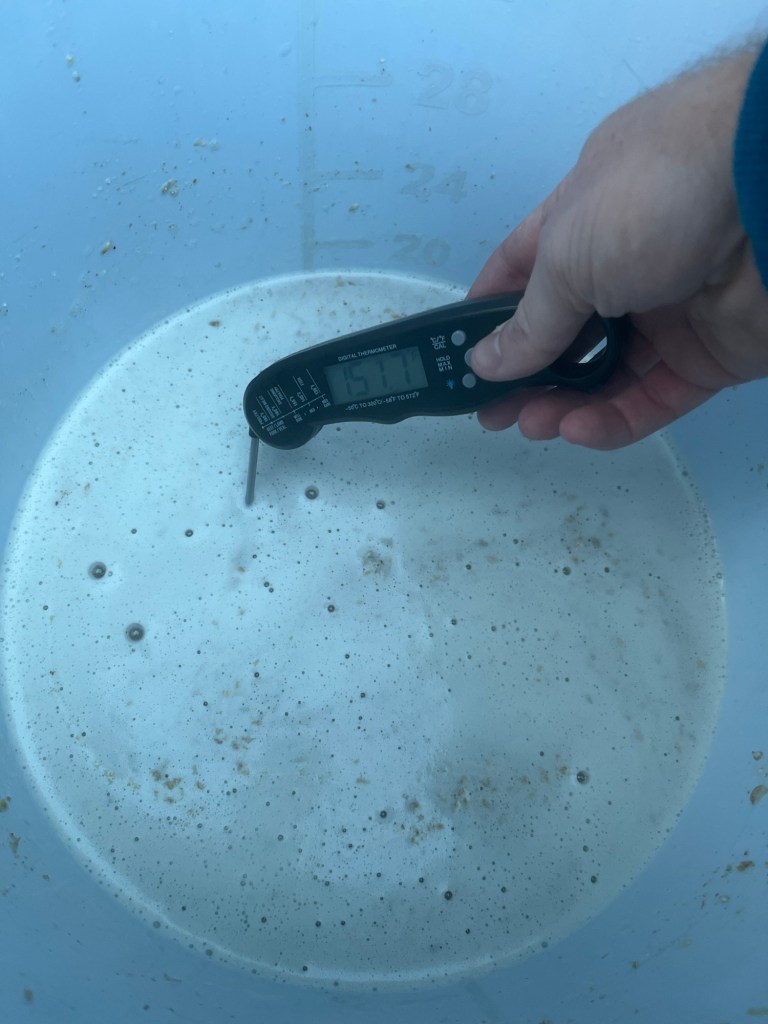
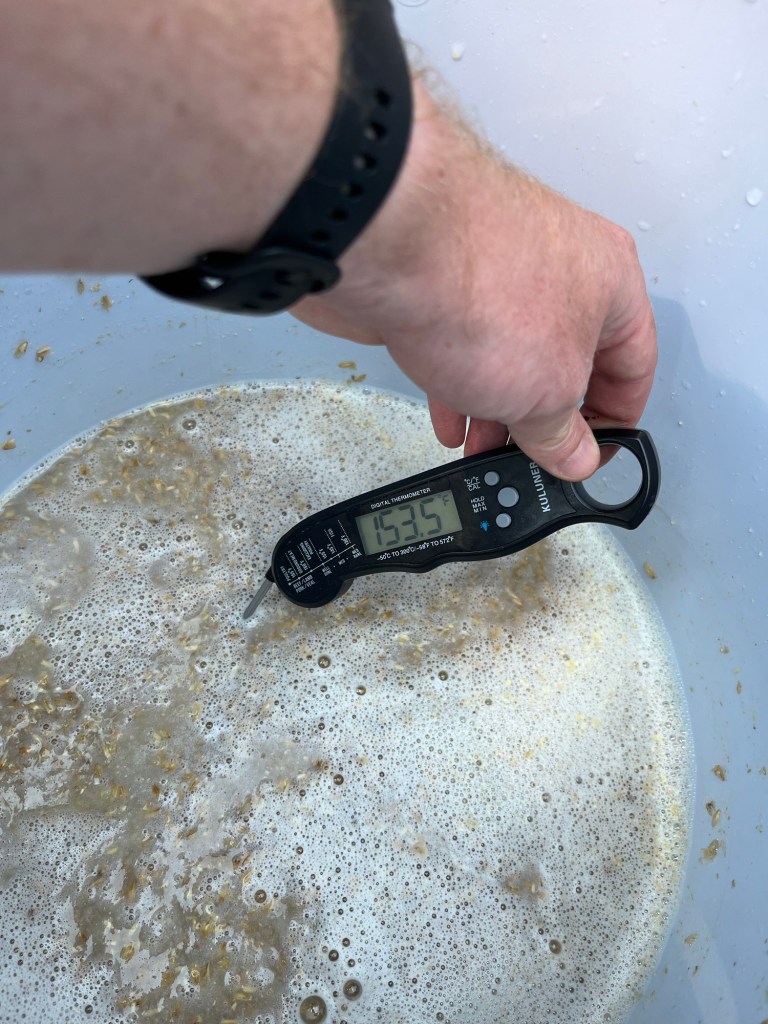
After an hour mash, the temp had risen to 153°.
The day is finally here. It’s time to brew a competition beer for the Cascade Brewers Guild. I’m thinking a club competition will be fun because everyone will be brewing the same thing, and we’ll all get to try them. I’ve enjoyed researching the style, Best Bitter, and so the prospect of seeing how ours turns out and compares to the others will be fun. I’m also looking forward to comparing recipes and seeing if I can notice the differences.
Here’s the recipe we ended up creating.
https://share.brewfather.app/GXYaiRV9OhBK9F
I’m not so sure about using so much Munich and biscuit malts. DGB suggested a max of 5% of



 Weiven Beer